Mohammed ibn Abdullah was born around 570 CE in Mecca, a city at the heart of Arabian trade and tribal culture. Orphaned at a young age — his father died before his birth and his mother when he was just six — he was raised first by his grandfather and later by his uncle, Abu Talib. Despite these hardships, he earned a reputation for honesty and integrity that led those around him to call him Al-Amin, meaning "the trustworthy." His early years as a merchant brought him into contact with people of many faiths and backgrounds, quietly shaping the man he would become.
The revelation that changed history
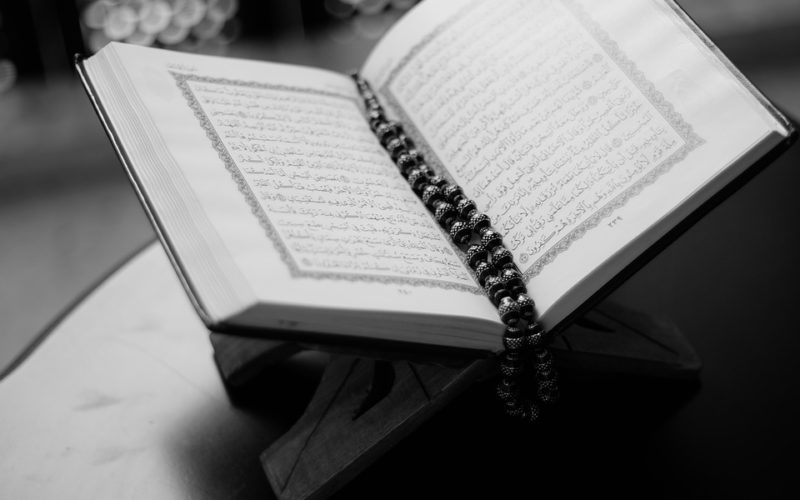
At the age of 40, Mohammed retreated to a cave on Mount Hira, where he reportedly received the first revelation of the Quran from the Angel Jibreel (Gabriel). This moment, believed by Muslims to mark the beginning of divine communication, set in motion one of the most significant religious movements in human history. The revelations continued over 23 years, forming the basis of Islamic belief and practice. Initially, Mohammed shared these messages only within a small circle of family and close friends, including his wife Khadijah, who became the first person to embrace Islam.
Persecution, migration, and the founding of a community
As Mohammed began preaching publicly in Mecca, he faced fierce opposition from tribal leaders who saw his message as a direct challenge to their authority and way of life. His followers were persecuted, and the early Muslim community endured years of hardship. In 622 CE, Mohammed and his companions made the Hijra — the migration to Medina — a journey so pivotal that it marks the beginning of the Islamic calendar. In Medina, he established a community built on the principles of justice, equality, and mutual support, forging agreements between previously divided tribes.
Uniting Arabia under a new faith
Over the following years, Mohammed navigated a complex landscape of diplomacy, conflict, and reconciliation. The return to Mecca in 630 CE was largely peaceful; rather than seeking retribution, he declared a general amnesty for those who had opposed him for so long. This act became emblematic of a broader ethical outlook — one that prioritised forgiveness over vengeance. By the time of his farewell pilgrimage in 632 CE, much of the Arabian Peninsula had embraced Islam. In his final sermon, he spoke of the equality of all people and the importance of treating one another with justice and compassion.
The teachings at the core of Islam
Mohammed's message centred on the belief in one God — Allah — and the moral responsibilities that come with that belief. The Five Pillars of Islam, which include prayer, fasting, charity, and pilgrimage, reflect a faith that is both spiritual and deeply practical. His sayings and actions, known collectively as the Hadith, serve alongside the Quran as a guide for Muslim life. From personal conduct to the treatment of neighbours, from the rights of women to the obligations of those in power, his teachings addressed the full breadth of human experience.
A legacy that spans fourteen centuries
Mohammed died in 632 CE in Medina, leaving behind a faith that would spread across continents within decades of his passing. Today, Islam is the second-largest religion in the world, with over 1.8 billion followers. His influence extends beyond religion into law, philosophy, science, and art — fields that flourished under Islamic civilisation during the medieval period. Scholars in Baghdad, Cairo, and Córdoba preserved and advanced knowledge at a time when much of it might otherwise have been lost.
Understanding Mohammed in context
For Muslims, Mohammed is the final prophet in a long line that includes Abraham, Moses, and Jesus. He is not worshipped, but deeply revered — a human being who embodied the values he preached. For historians and scholars, his life offers a remarkable case study in leadership, social transformation, and the enduring power of ideas. Whether approached through faith or scholarship, his story remains one of profound consequence — a life that began in the narrow streets of seventh-century Mecca and left an imprint felt across the world to this day.